
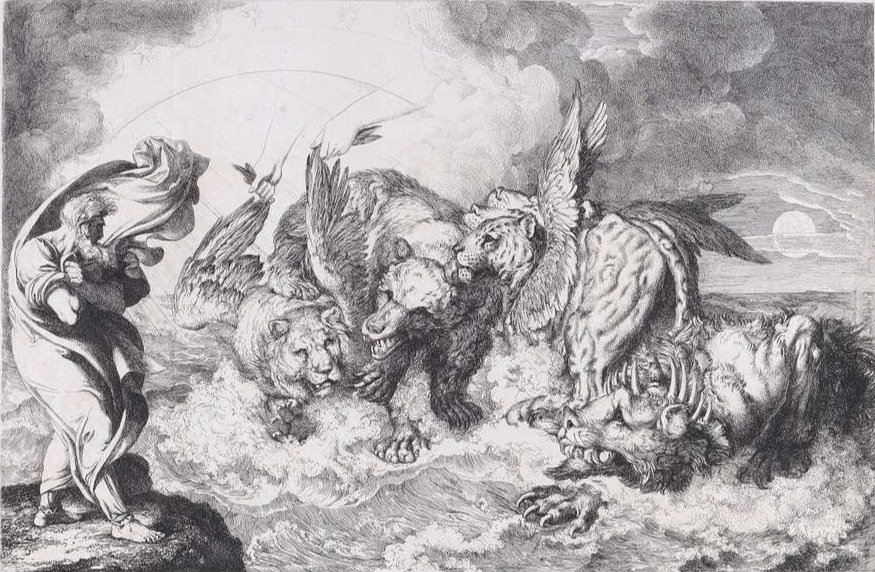
Prophet Daniel: a man of honesty and integrity
The life of Daniel
Daniel was one of the young Israelites taken into exile in Babylon after the conquest of Jerusalem. Although he found himself far from his homeland and surrounded by a foreign culture, he remained faithful to God and to the values he had learned from his youth.
Daniel served in the courts of several kings and became known for his wisdom, reliability, and honesty. His abilities earned him positions of great responsibility, yet he never allowed success or power to compromise his principles.
Remaining faithful to his convictions
Soon after arriving in Babylon, Daniel faced his first important test.
The king ordered that the young men selected for service in the royal court should eat food from the king's table. Daniel believed that some of this food was contrary to his religious obligations.
Rather than creating conflict, he respectfully requested permission to follow his own dietary practices.
The Bible tells us:
“Daniel resolved that he would not defile himself with the king's food.” (Daniel 1:8)
Daniel's decision showed both honesty and integrity. He remained true to his beliefs even when it would have been easier to conform.
A trusted servant
Throughout his life, Daniel served faithfully and responsibly.
The kings under whom he served recognised his exceptional character. The Bible describes him as a man in whom an “excellent spirit” was found.
His enemies searched for faults in his conduct, hoping to discredit him. Yet they could find no evidence of corruption, dishonesty, or negligence.
Scripture records:
“They could find no ground for complaint or any fault, because he was faithful, and no error or fault was found in him.” (Daniel 6:4)
Daniel's reputation was built not merely on competence but on trustworthiness and moral integrity.
Daniel in the lions' den
Daniel's most famous trial came when government officials persuaded King Darius to issue a decree forbidding prayer to anyone except the king.
Daniel knew about the decree. He also knew the consequences of disobedience.
Yet he continued to pray openly to God as he had always done.
He did not hide his faith, nor did he compromise his convictions to protect himself.
As a result, Daniel was arrested and thrown into a den of lions.
Despite the danger, he remained calm and faithful. God protected him, and Daniel emerged unharmed.
His example demonstrates that integrity often requires courage and perseverance.
Why is Daniel remembered?
Daniel is remembered because he remained truthful, faithful, and trustworthy throughout his life.
He demonstrated that honesty is more than simply telling the truth. Honesty means being sincere, reliable, and transparent in one's actions.
Daniel also showed that integrity means remaining faithful to one's principles even when doing so brings personal risk.
His life united competence, responsibility, courage, honesty, and faith.
What can we learn from Daniel?
Daniel remains a powerful role model, especially for military personnel and leaders entrusted with responsibility.
His example reminds us that:
• Honesty is the foundation of trust.
• Integrity means remaining faithful to one's principles.
• Reliability is essential for responsible leadership.
• Moral courage is required when facing pressure or opposition.
• Character is revealed when no one is watching.
Military personnel often carry significant responsibilities and must make decisions that affect others. Trust within a team depends upon honesty, reliability, and ethical conduct.
Daniel teaches that true integrity means doing what is right, remaining faithful to the truth, and serving with honesty even when it would be easier to compromise.
Commemoration
Although Daniel does not have a universal feast day in the Roman Catholic Church, he is honoured in Christian tradition as a prophet and a model of faithfulness, honesty, wisdom, and integrity. His example continues to inspire all who seek to serve truthfully and honourably.
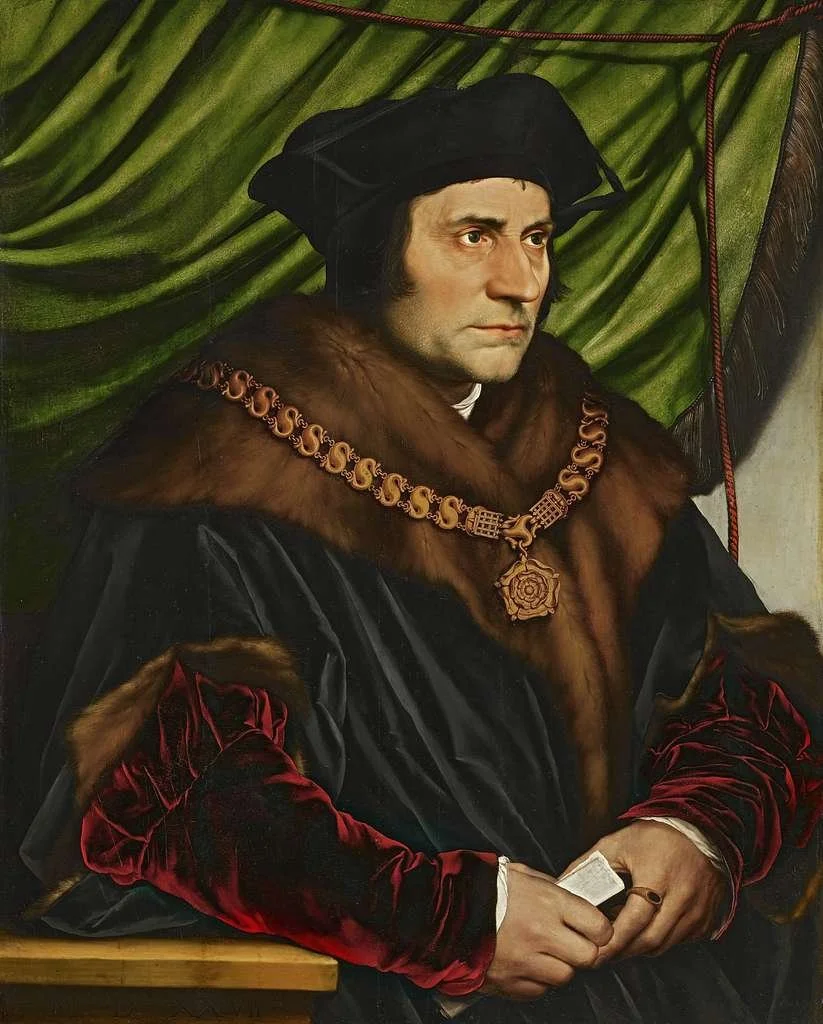
Saint Thomas More – a man of honesty and integrity
The life of Saint Thomas More
Saint Thomas More was born in London in 1478. He received an excellent education, studied law, and became one of the most respected lawyers and scholars in England.
Through hard work, wisdom, and integrity, he rose to become one of the most important advisers of King Henry VIII. Eventually, he was appointed Lord Chancellor of England, one of the highest offices in the kingdom.
Thomas More was known for his fairness, honesty, and commitment to justice. People trusted him because he sought to do what was right rather than what was convenient.
A man guided by conscience
Thomas More was a devoted husband, father, and faithful Catholic. He believed that every person must act according to a well-formed conscience and remain faithful to the truth.
For many years, he served the king loyally and faithfully. However, a conflict eventually arose when King Henry VIII sought to place himself above the authority of the Church.
The king demanded that leading officials acknowledge him as the supreme head of the Church in England.
Thomas More faced a difficult choice.
He could follow the king's wishes and preserve his position, wealth, and safety, or remain faithful to his conscience and his beliefs.
Choosing truth over personal advantage
Thomas More refused to say something he believed to be untrue.
He did not act out of rebellion or hostility. Instead, he quietly and firmly remained faithful to his convictions.
He resigned from public office and withdrew from political life rather than compromise his principles.
Many people encouraged him to give in for the sake of his family and personal security. Yet Thomas More believed that honesty and integrity could not be abandoned whenever they became inconvenient.
He once said:
“I am the King's good servant, but God's first.”
Trial and martyrdom
Eventually, Thomas More was arrested and imprisoned in the Tower of London.
At his trial, he was pressured to abandon his position and declare support for the king's demands. Despite the risk, he continued to act according to his conscience.
He remained calm, respectful, and truthful throughout the proceedings.
In 1535, Thomas More was sentenced to death and executed.
Even in his final moments, he remained faithful to his beliefs and refused to betray the truth as he understood it.
Why is Saint Thomas More venerated?
Saint Thomas More is honoured because he demonstrated extraordinary honesty and integrity under immense pressure.
He showed that truth and conscience are not values to be abandoned when circumstances become difficult.
His life reminds us that genuine integrity means maintaining the same principles in public and in private, in success and in adversity.
What can we learn from Saint Thomas More?
Saint Thomas More remains an important role model, especially for military personnel and leaders entrusted with responsibility.
His example reminds us that:
• Honesty requires courage.
• Integrity means acting according to one's values and principles.
• Conscience should guide decisions, even under pressure.
• Trust is built through truthfulness and consistency.
• Character is revealed when difficult choices must be made.
Military personnel are often entrusted with significant responsibilities. Reliable reporting, truthful communication, and moral courage are essential for maintaining trust and credibility.
Saint Thomas More teaches that true integrity means remaining faithful to the truth, even when honesty carries a personal cost.
Feast Day
The feast day of Saint Thomas More is 22 June. He is honoured as the patron saint of statesmen, politicians, lawyers, and all who seek to serve with honesty, integrity, and fidelity to conscience.
St. Thomas More, pray for us!