
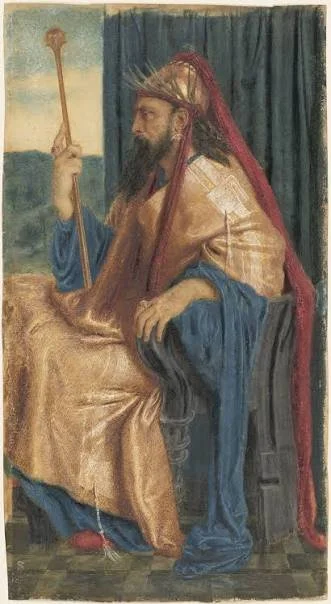
King Solomon: a ruler guided by wisdom and justice
The life of King Solomon
King Solomon was the son of King David and Bathsheba. After David's death, Solomon became king of Israel and ruled during a period of peace, prosperity, and stability.
The Bible describes Solomon as a ruler who recognised the immense responsibility entrusted to him. He understood that governing a nation required more than power or authority. It required wisdom, sound judgment, and a commitment to justice.
Solomon's request for wisdom
Shortly after becoming king, Solomon had a dream in which God invited him to ask for whatever he desired.
Rather than requesting wealth, military power, or a long life, Solomon answered:
"Give your servant an understanding heart to judge your people and to distinguish between good and evil." (1 Kings 3:9)
God was pleased with Solomon's request because he sought wisdom for the benefit of his people rather than personal gain.
As a result, God blessed him with exceptional wisdom and understanding.
The judgement of Solomon
The most famous example of Solomon's wisdom concerns two women who appeared before him, both claiming to be the mother of the same child.
Unable to determine the truth through testimony alone, Solomon proposed dividing the child in two and giving half to each woman.
One woman immediately agreed, but the other begged the king to spare the child's life and give him to the other woman.
Solomon recognised that true maternal love would rather surrender a claim than allow harm to come to the child. He therefore identified the real mother and returned the child to her.
This judgement became famous because it demonstrated wisdom, discernment, and a profound understanding of human nature.
A ruler committed to justice
Solomon understood that justice is more than applying laws mechanically.
True justice requires fairness, prudence, and the ability to understand the circumstances of each situation. He sought to govern in a way that protected the people and promoted peace and order throughout the kingdom.
His example reminds us that authority should always be exercised for the good of others and never for personal advantage.
Why is King Solomon remembered?
King Solomon is remembered as one of the wisest rulers in history.
Throughout the centuries, Christians, Jews, and many others have looked to him as an example of prudent leadership and sound judgement.
His life demonstrates that wisdom is one of the greatest gifts a person can possess because it helps us make right decisions, especially when facing difficult choices.
What can we learn from King Solomon?
King Solomon remains an important role model, especially for military personnel and leaders entrusted with responsibility.
His example reminds us that:
• Wisdom begins with humility and the willingness to learn.
• Justice requires fairness, integrity, and sound judgement.
• Leadership is a responsibility rather than a privilege.
• Decisions should be guided by truth and the common good.
• Good leaders seek what is right, not what is easiest.
Military personnel are often required to make decisions under pressure and in complex situations. Technical knowledge and experience are essential, but wisdom is equally important. Wisdom helps leaders assess consequences, weigh competing factors, and choose the right course of action.
King Solomon teaches that true leadership is founded on wisdom, and that justice can only flourish when decisions are guided by truth, integrity, and concern for others.
Commemoration
Although King Solomon is not generally celebrated with a universal feast day in the Roman Catholic Church, he is honoured in Christian tradition as a wise ruler whose example continues to inspire those entrusted with leadership, responsibility, and the pursuit of justice.
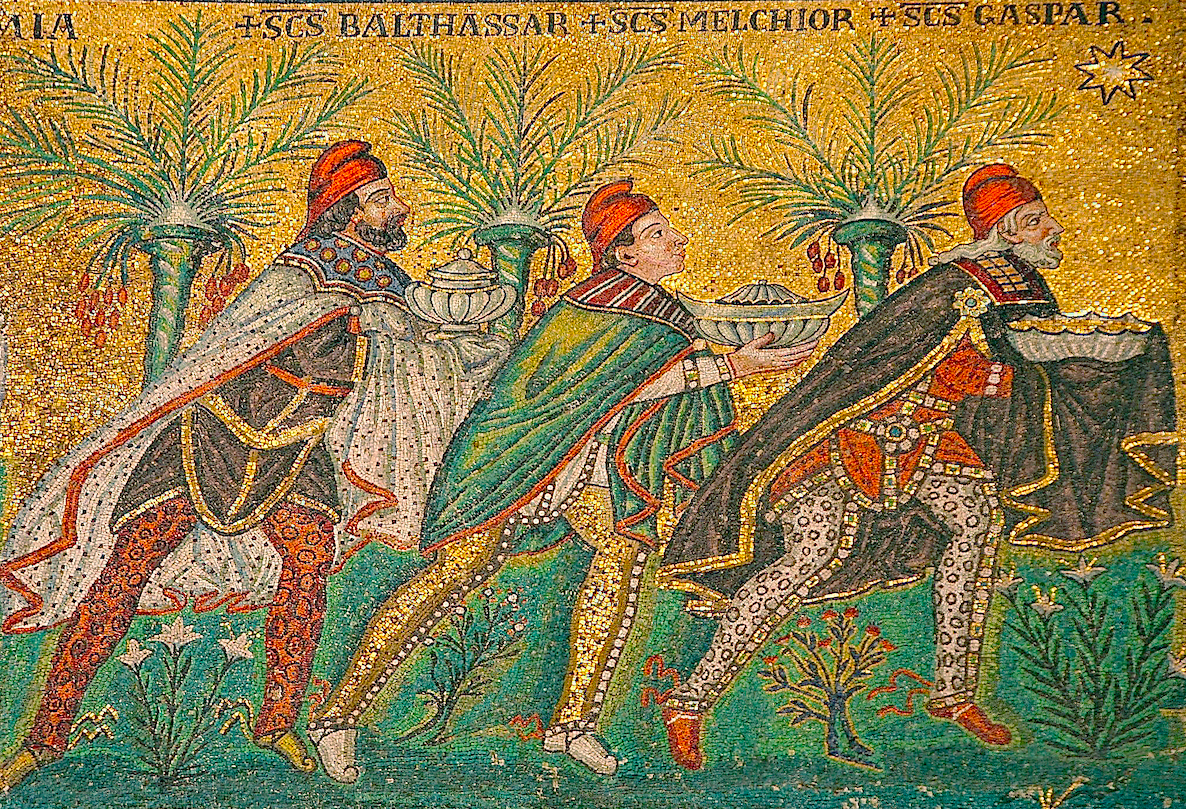
The Three Wise Men – seekers of truth guided by wisdom
The journey of the Wise Men
The Three Wise Men, also known as the Magi, appear in the Gospel of Matthew (Matthew 2:1-12).
They came from the East after observing an extraordinary star that they understood to be the sign of the birth of a great king.
Tradition remembers them as Caspar, Melchior, and Balthasar, although the Bible does not mention their names. They are often regarded as wise men, scholars, or royal advisers who devoted themselves to studying the signs of the times and seeking truth.
Their journey required determination, patience, and courage. They left the security of their homes and travelled a great distance because they believed that the star was leading them towards something of great importance.
A search for truth
The Wise Men were not content with limited knowledge. When they saw the star, they did not ignore it. Instead, they sought its meaning.
Their example teaches an important lesson: wisdom begins with the desire to learn and the humility to recognise that we do not know everything.
When they arrived in Jerusalem, they asked:
“Where is the child who has been born king of the Jews?” (Matthew 2:2)
They were willing to ask questions, seek guidance, and continue their search until they found the truth.
Wisdom joined to humility
Eventually, the star led them to Bethlehem, where they found the child Jesus with Mary, his mother.
Although they were respected and learned men, they did not place themselves above others. Instead, they knelt before the child and paid him homage.
They presented gifts of great value:
• Gold, symbolising kingship.
• Frankincense, symbolising divinity and worship.
• Myrrh, pointing towards sacrifice and suffering.
Their actions demonstrate that true wisdom is accompanied by humility. The wisest people recognise something greater than themselves and are willing to follow the truth wherever it leads.
Wisdom and right judgement
After visiting Jesus, the Wise Men received a warning in a dream not to return to King Herod.
Herod had asked them to report the child's location, claiming that he wished to worship him. In reality, he intended to eliminate a rival to his power.
The Wise Men discerned the danger and acted accordingly. Instead of returning to Herod, they chose another route home.
This decision showed not only wisdom but also moral responsibility. They understood that knowledge carries responsibility and that wise decisions must serve what is right and just.
Why are the Wise Men remembered?
The Three Wise Men are remembered because they sought truth with perseverance, recognised it when they found it, and acted upon it.
They combined knowledge with humility, discernment with courage, and wisdom with responsibility.
Their journey reminds us that wisdom is not merely possessing information. Wisdom is the ability to recognise what is true and good and to act accordingly.
What can we learn from the Three Wise Men?
The Wise Men remain important role models, especially for military personnel and leaders entrusted with responsibility.
Their example reminds us that:
• Wisdom begins with the willingness to seek truth.
• Good judgement requires careful observation and discernment.
• Humility is essential for wise leadership.
• Knowledge carries responsibility.
• Right decisions should be guided by truth and moral principles.
Military personnel often face complex situations that require sound judgement. Information alone is not enough. Wise leaders must assess circumstances carefully, recognise risks, and choose the course of action that best serves the mission and the common good.
The Three Wise Men teach that true wisdom is found in the humble pursuit of truth and in the courage to follow it wherever it may lead.
Feast Day
The Church commemorates the visit of the Wise Men at the Feast of the Epiphany, celebrated on 6 January. Their journey continues to inspire all who seek truth, wisdom, and God's guidance in their lives.