10 - 16 October 2009
St. Georgen am Längsee, Austria
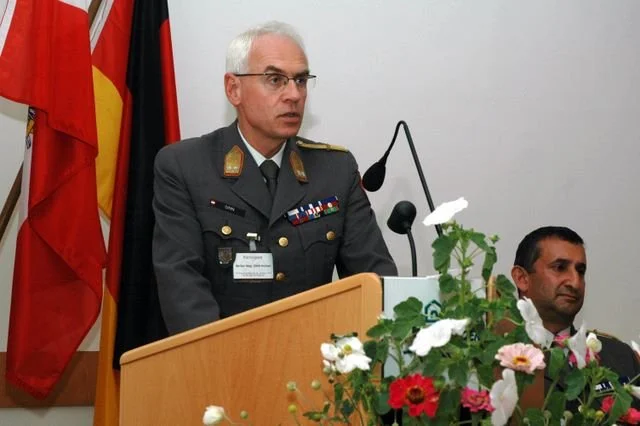
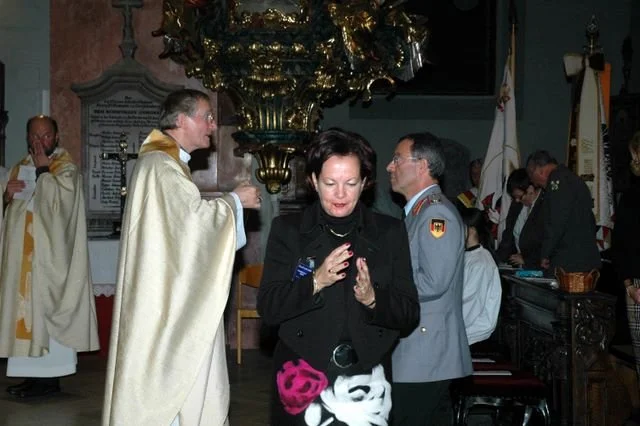
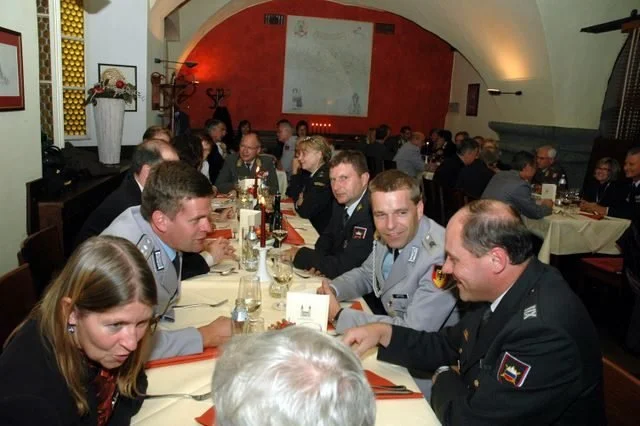
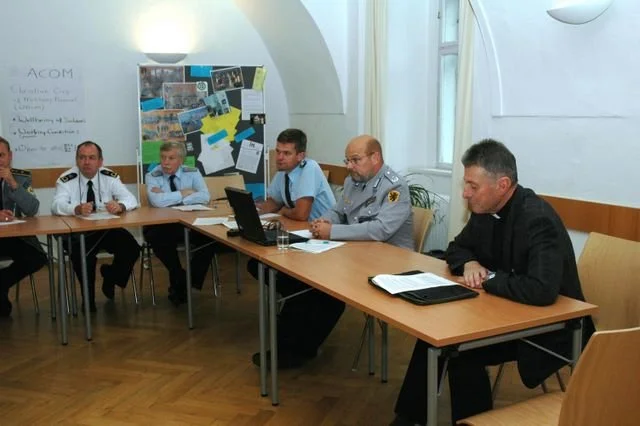
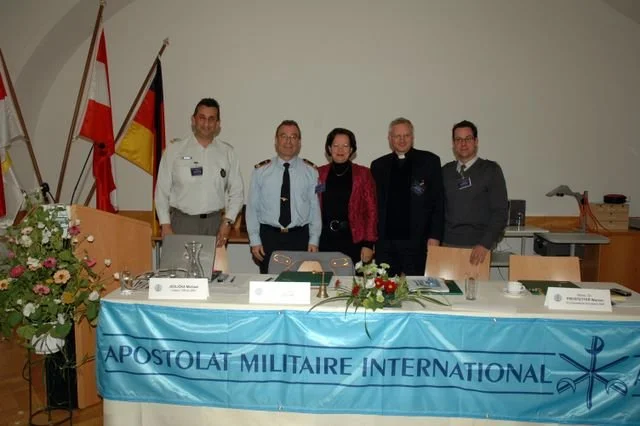
The AMI General Assembly took place in St. Georgen, Austria, with delegations from 12 nations, focusing on the theme of inter-cultural competence in international peacekeeping missions. The assembly explored the subject from philosophical, theological, and military perspectives, with specialist speakers highlighting the importance of understanding culture both at a theoretical level and in practical military operations.
Delegates agreed that shortcomings in cultural awareness complicate peacekeeping tasks and undermine effectiveness. They affirmed that culture is shaped by complex historical processes, varies widely, and must be respected rather than replaced. Measuring a culture’s quality, as noted in Pope John Paul II’s 2001 peace message, depends on its ability to promote human dignity at all levels.
The assembly concluded that soldiers deployed abroad must be equipped with knowledge of local history, customs, and communication practices, while remaining grounded in their own cultural identity and aware of religion as a central part of most societies. Inter-cultural competence was emphasized as essential not only for soldiers but also for political and strategic actors involved in peacekeeping or peace enforcement operations.
The final declaration appealed to all military personnel and partners in conflict zones to pursue inter-cultural competence so that peace can be secured without compromising human rights or dignity.